

Packaging decisions are being reshaped faster than ever. With 65% of consumers preferring sustainable packaging, brands are under pressure to rethink materials, compliance and supply chains. Read more below about our 6 main packaging predictions for 2026 in this latest blog:
1. Fibre-based Formats at the Forefront
Expect more everyday packaging to move from plastic into paper and board. This is forecasted particularly in retail, personal care and food. Brands want materials that recycle easily at scale, work well on converting lines and still deliver shelf impact. That’s why demand continues to grow for products such as folding boxboard, coated carton board and other sustainable paper grades.
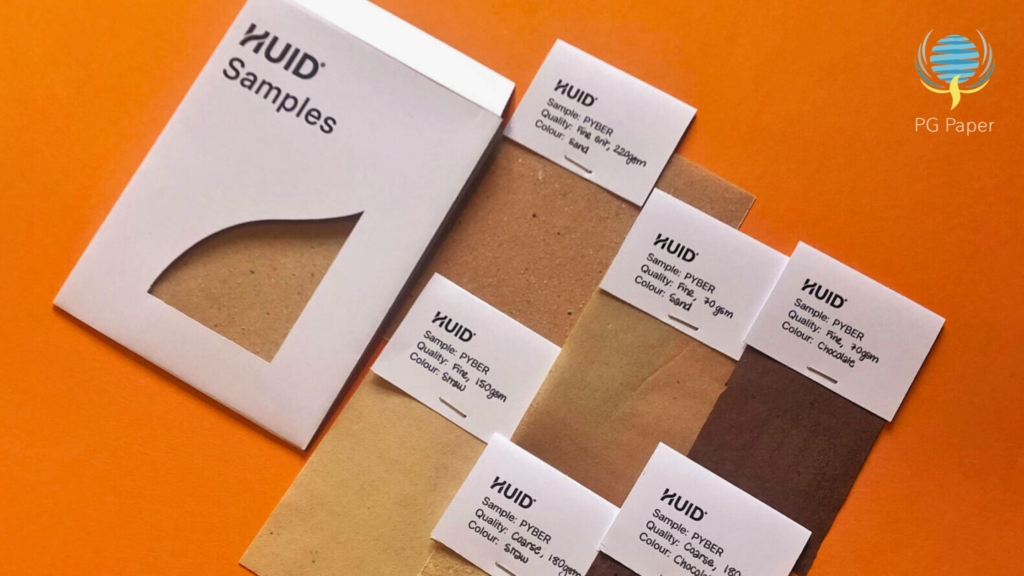
We have also seen examples of alternative fibre-based packaging methods such as food waste materials being repurposed. An example of this is the innovative “HUID” business based in Oban, Scotland who were named finalists in the Packaging Europe’s 2025 Sustainability Awards. Currently, they are developing papers made from recycled onion skin with their mission to “create various material applications that are better for the planet”. While still at an early stage, innovations like this reflect a wider shift towards rethinking fibre sourcing alongside established paper grades
2. Regulations for Packaging in 2026 and Beyond
Regulation is increasingly setting the direction and expectations. The EU Packaging and Packaging Waste Regulation (PPWR) is a key driver in how businesses plan for 2026. Packaging teams are thinking earlier about recyclability, reducing material where possible, and improving how packs are labelled and traced through the supply chain.
EUDR also stays firmly on the agenda. While implementation has been delayed, it remains highly relevant throughout 2025 as companies put the right systems and data in place. PG Paper is supporting customers through this transition by working closely with mill partners, strengthening traceability and helping customers plan confidently for the changes ahead.
3. Proof Matters More Than Promise
The bar is also rising for sustainability messaging. Vague “eco-friendly” claims won’t cut it anymore. Brands are moving towards clearer evidence and recognised standards, with a stronger focus on certified fibre, documented sourcing and transparent information that can stand up to scrutiny. In an ever-evolving world where consumerism is on the rise, buyers expect more from businesses instead of false promises.
4. Ditching the Excess and Keeping it Premium
A growing theme in packaging is to keep it premium, but smart. Brands still want high-quality print and a strong unboxing experience, but with less reliance on plastic-heavy finishes, mixed materials or unnecessary complexity. Fibre-based packaging is well placed here. It can deliver a premium look, convert reliably and support sustainability targets – without over-engineering the pack.
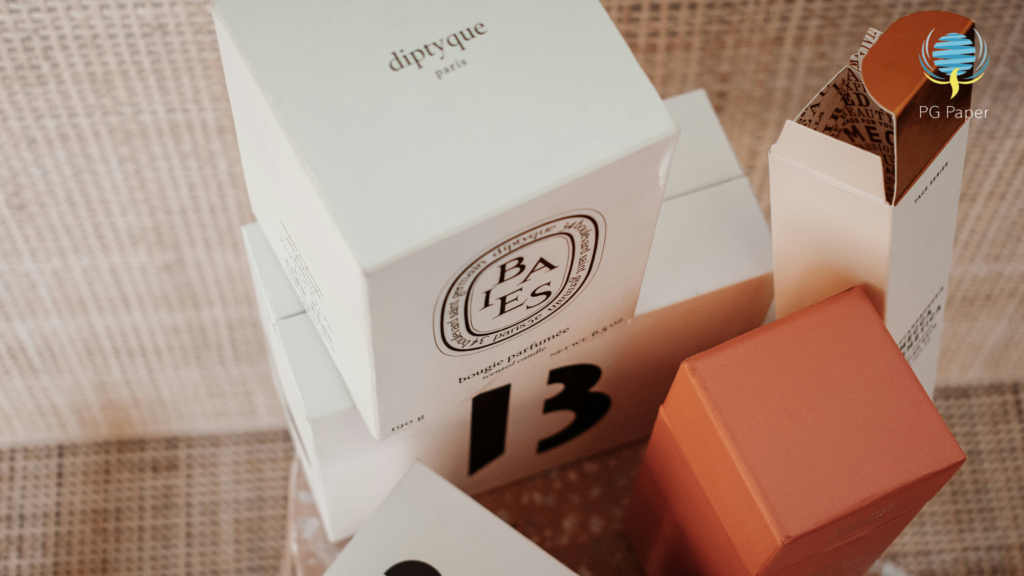
We see this approach across premium retailers in particular. Instead of adding extra layers, they often rely on high-quality paper boards to do the heavy lifting. Clean, crisp printing, subtle embossing and well-considered design details create a high-end feel without added material. The result is packaging that feels premium from the first touch, while staying efficient, recyclable and fit for modern expectations.
5. The Advantage in Collaboration
Packaging decisions don’t sit with one team. Brands, converters and material suppliers are working closer together to secure sustainable supply. They also manage risk and ensure designs meet both performance and compliance requirements. Throughout the year, these partnerships will become an even greater competitive advantage.

Collaboration also helps businesses stay ahead of fast-moving innovation. When commercial, technical and supply chain experts share insight early, packaging specs can also be refined faster. If any issues, they can be identified sooner and production made more efficient. As AI-enabled tools support teams with quicker analysis, forecasting and workflow automation, cross-functional working is increasingly turning packaging planning into a smarter, more proactive process. Helping businesses keep pace with shifting trends and expectations in 2026.
6. What Does this Mean for Sustainable Paper Solutions?
The direction is clear: paper and fibre-based solutions will play an even bigger role in packaging strategies. Materials that combine recyclability, responsible sourcing and dependable performance will be the easiest for brands to scale.
PG Paper continues to support customers with sustainable paper and packaging solutions backed by global sourcing expertise and long-term mill partnerships – helping brands move from intention to action in the year ahead.
Speak to the PG Paper team about our extensive portfolio.